Brindisi
Surprising city, located in a strategic point in the south of Puglia.
Bathed by a crystal clear sea in which to dive. Visiting Brindisi is like immersing yourself in the glorious past of the splendor of the Roman Empire and in a more recent history, made up of churches, monuments, ancient streets, such as the Via Appia which is a candidate for World Heritage. But Brindisi is also a marriage between ancient and modern, with its farms in step with the times and farms where you can breathe tradition and relaxation.
Featured
171 CHF
162 CHF
/night
Brindisi
Not rated
0 Review
4
7
1
126 m2


20%
Brindisi
Not rated
0 Review
Start Time: 17:00 - 19:00
2H
from
51 CHF
40 CHF
Featured
11%
Brindisi
Not rated
0 Review
Start Time: 10:00 - 17:00
3H
from
91 CHF
81 CHF
Brindisi
5.0/5 Excellent
1 Review
Start Time: 10:00
3H
from
40 CHF
33%

Brindisi
3H
from
6 CHF
4 CHF


The City Maps
Trip Ideas
FEATURED ARTICLE
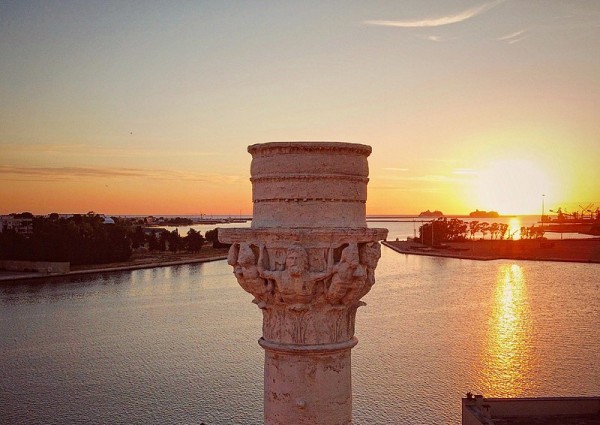
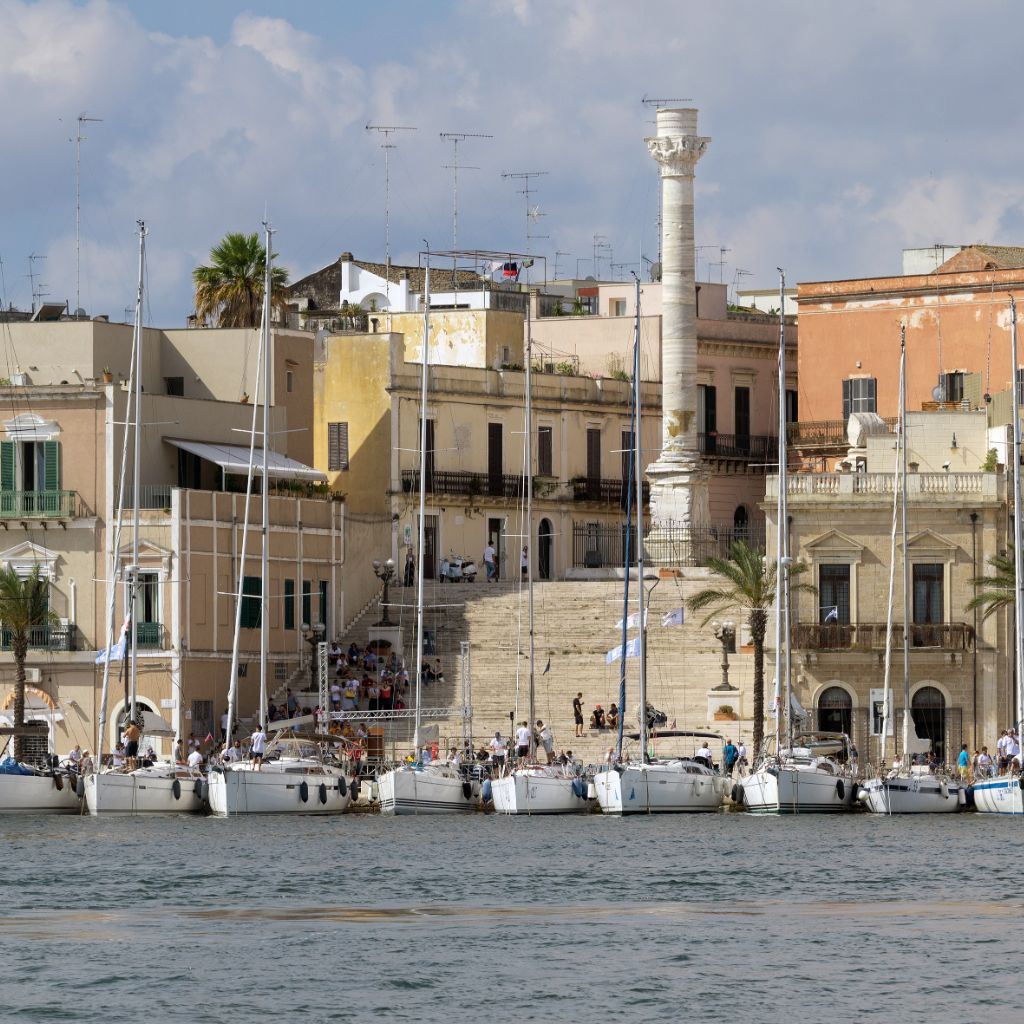
Roman Columns
The Roman Columns of Brindisi are a monument located at the PORT of the city. Originally they were two twin columns, unique in the architectural panorama of antiquity. As such they were depicted as the emblem of the city as early as the 14th century. Following the collapse of one of the two columns in 1528, the monument remained mutilated. The surviving column was dismantled during the Second World War to avoid collapse or damage caused by the furious bombings suffered by the city; between 1996 and 2002 the column was once again disassembled into its component parts and this time entirely restored, while archaeological investigations were carried out in the surrounding square; after the reassembly, the original capital is now exhibited in a room of the Palazzo Granafei-Nervegna, a copy has been placed in its place.
FEATURED ARTICLE
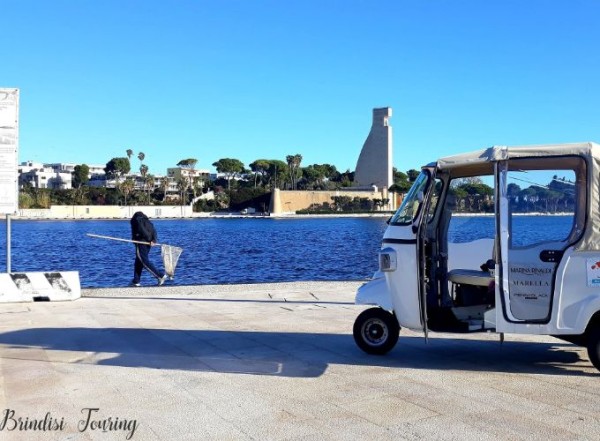
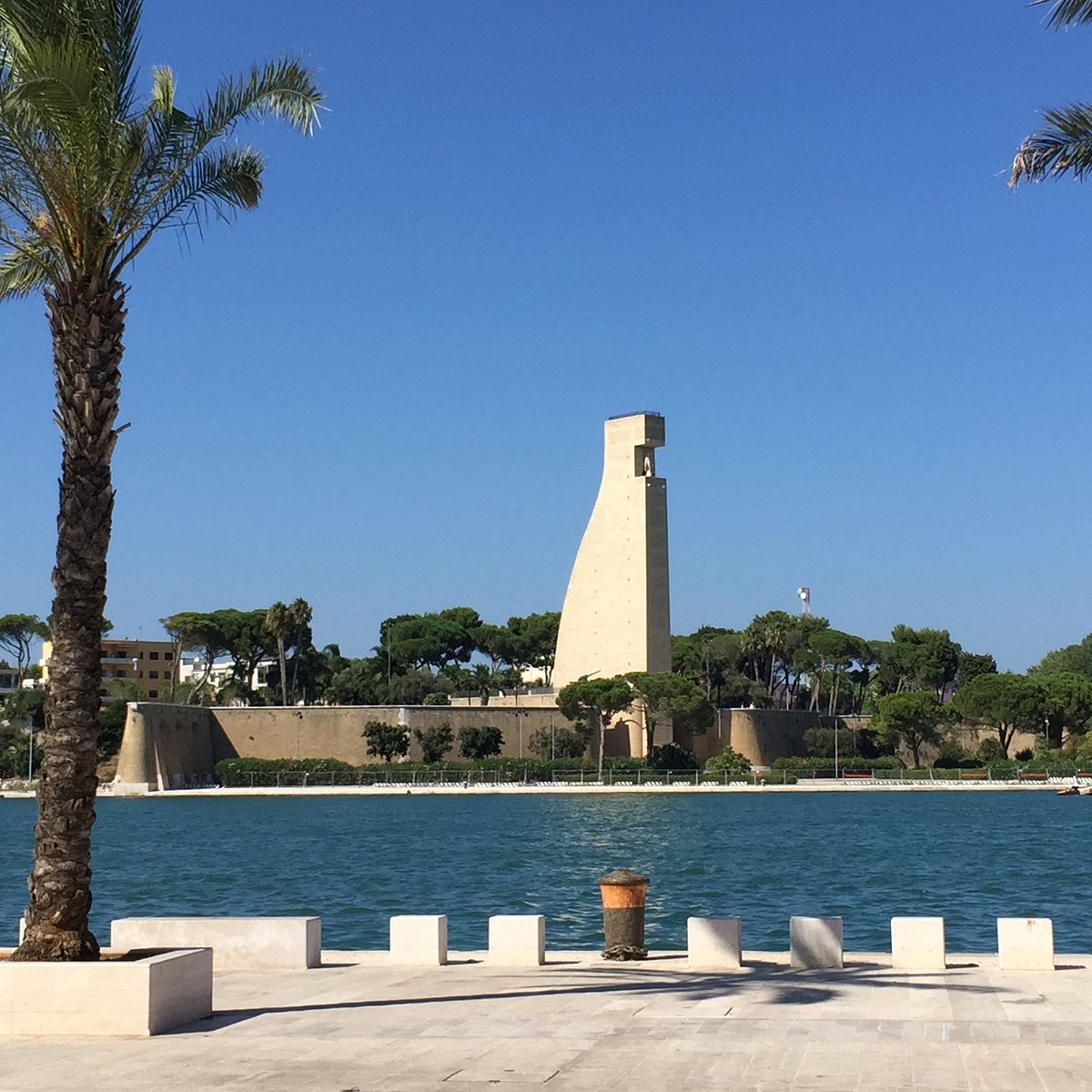
Monumento al Marinaio
The monument was built to commemorate the approximately 6,000 sailors who fell during the First World War (1915-1918) at the behest of Benito Mussolini, then President of the Council of Ministers of the Kingdom of Italy, and the choice of Brindisi (preferred to La Spezia and Trieste) was due to the central role that the city had during the Great War.
FEATURED ARTICLE
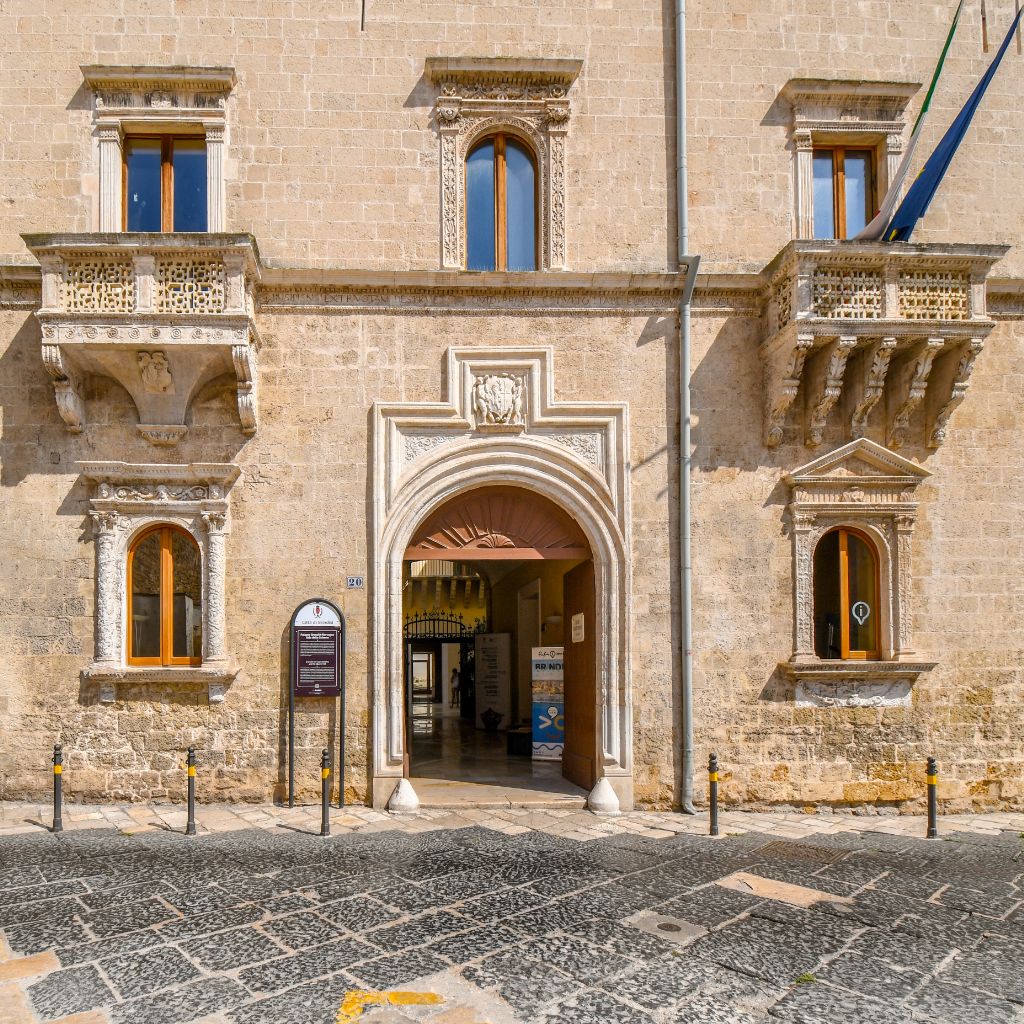
Palazzo Nervegna
The Granafei-Nervegna Palace is a historic building in Brindisi located in via Duomo. On the main facade there are also decorations and windows, each one different from the other, and the portal which has the coat of arms of the family, a rampant lion bearing an ear of wheat (granum fert) which alludes to the presumed etymology of the surname.